
This is a continuation of my previous post.
I would recommend going through it first. To top on the list, I recently discovered that there is another way to discover a potential advisor or an advisor in your field who might be looking to take new PhD students.
In my previous post, I mentioned that a potential advisor would take on a new graduate student only when he has funding or grants available to take new students. Now one way to find that out is via their personal website, where they often advertise new positions or about their funding. But not all Professor or their graduate students actively update their research websites. Sometimes it takes some time for them to update their research group website. Most of the time, the research funding that they might have mentioned on their website might be already allotted to PhD students in their group.
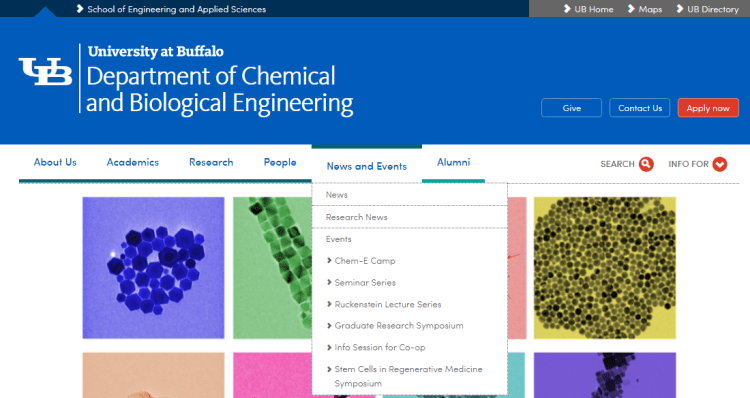
One quick way to find out new potential advisor is to just visit the departmental (your desired major) website of your coveted university. Once on the departmental website, click on their news and updates tab. Getting a research grant is a matter of prestige for universities and department, so often you will find news related to it either on their home page or news and update tab. More often, Professor who has received a funding recently will be willing to take new Ph.D. and postdoc students to carry over that work. Let’s take a look at a few examples.
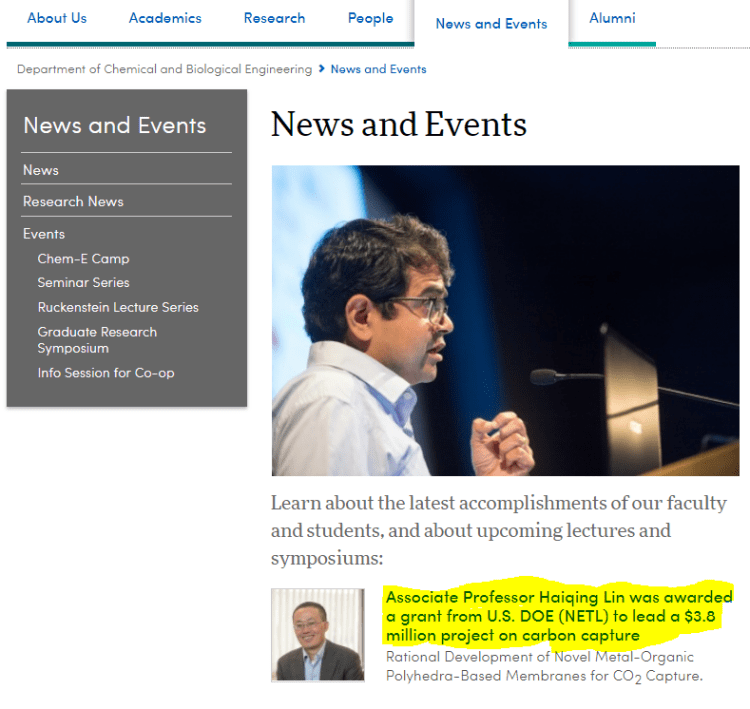
As seen in the figure below, I went to my department website, clicked on the news tab and I can see in the news that Prof. Haiqing Lin has recently received a research grant to develop polymeric membranes for CO2 capture. If I am a prospective student and already interested in working on carbon capture techniques, I would choose this university as compared to another university which hasn’t received any funding to pursue research on such technology.
Another example can be seen at Washington University in St Louis Energy, Environmental and Chemical engineering website.
If I click on the news tab, I can see recent news on at least one of their Professor getting NSF grant and the topic for which it was awarded. If the topic interests me, I would try to email him explaining how I can contribute to the project and asking if there is any vacancy. 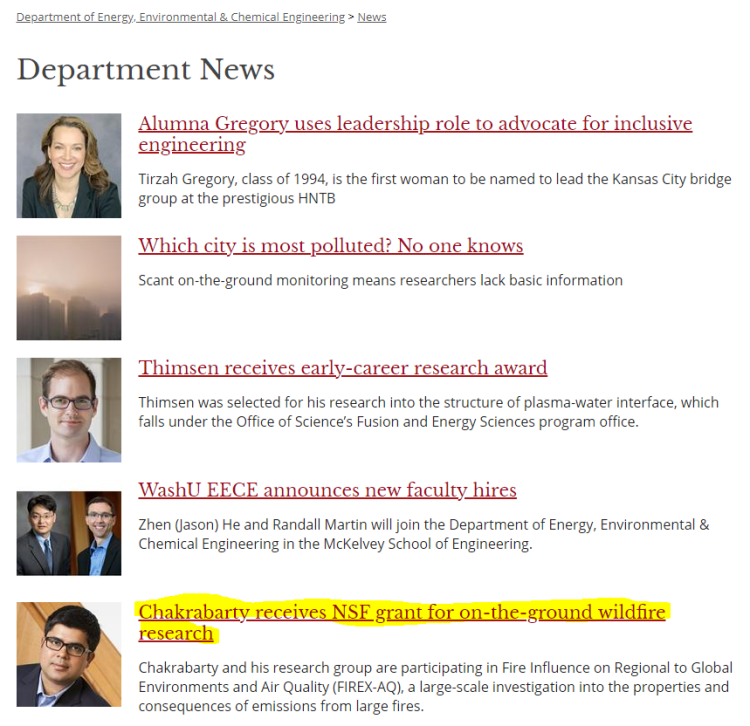
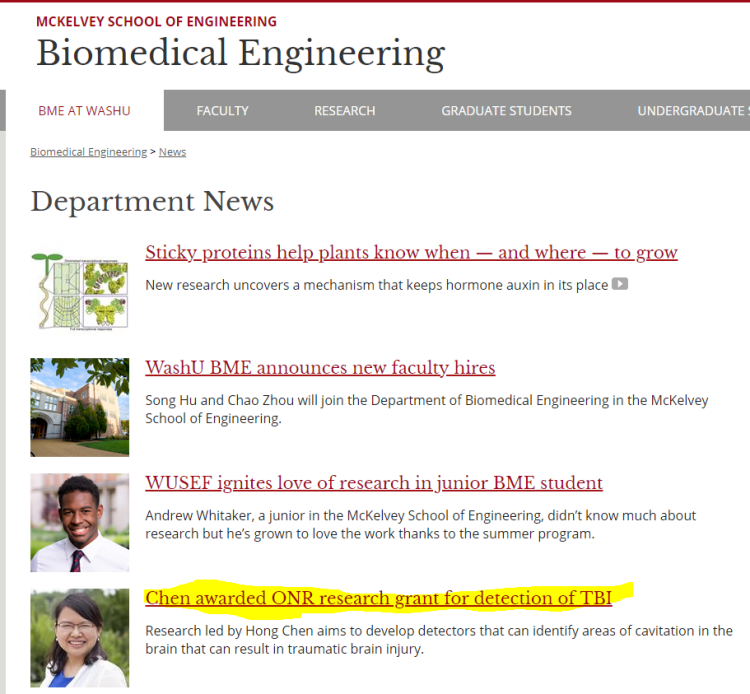
Although the above examples are for chemical engineering major, the same logic applies to other major too as can be seen from the screenshot below of Biomedical Engineering department.
Hence, to conclude, I would say that getting a fully-funded Ph.D. admit and that too with a chance of working on the exact area of interest that one has before joining a university requires careful vetting and extensive research. It is often rewarded with work satisfaction and enhanced performance in the later stages of Ph.D. So do your due diligence before applying for universities.
 Studycentrals